TIADERM
“A new generation of hyaluronic acid-based injectables featuring a molecular architecture inspired by the natural gradients of the ocean”.
Category:
Herbal medicines for medical use
This product is provided by the company SGM PHARMA SRL SOCIETA BENEFIT . Please contact for more information.
Product Description
“A new generation of hyaluronic acid-based injectables featuring a
molecular architecture inspired by the natural gradients of the ocean”.
Nature does not rely on a single structure. In the marine world, structural diversity is not random, but a precise response to the surrounding physical environment.
The ocean is not uniform; each depth presents:
• different pressure
• different density
• different mechanical forces
TIADERM® follows the same biological principle, using specific viscoelastic matrices designed for each anatomical depth.
TEMPERATURE · INTEGRATION · ADHESION — TIA™ Technology
An engineered molecular architecture designed for precise injections, optimal tissue integration, and predictable clinical results.
T Temperature
Our patented slow, low-temperature cross-linking process ensures:
• Extended homogenization without compromising the HA polymer structure
• Controlled, gradual cross-linking
• Minimal BDDE content
• HA particles precisely sized from 1 to 20 microns
The outcome is a stable, homogeneous, and predictable 3D matrix, with each particle intentionally engineered for optimal performance.
I Integration
Cross-linked high-molecular-weight hyaluronic acid, combined with medium- and low-molecular-weight free HA, is integrated within the matrix, ensuring:
• Dynamic hydration
• Progressive biological modulation
• Sustained biological activity
The resulting 3D matrix remains active and adaptive, enabling the gradual, controlled release of free HA over time.
A ADHESION
Clinically relevant features:
• Seamless tissue integration
• Controlled plasticity
• Modulated elasticity
• Soft, natural feel
• No migration
By combining different molecular weights, particle morphology, and 3D organization, TIADERM® creates viscoelastic matrices specifically tailored to each clinical application.
“The ocean teaches us that depth determines structure.
TIA™ Technology demonstrates that molecular architecture drives predictable clinical behavior”
Other Products of the Company
See All
Injectable preparations based on hyaluronic acid for joints, tendons and muscles
TIAMED
Similar Products
See All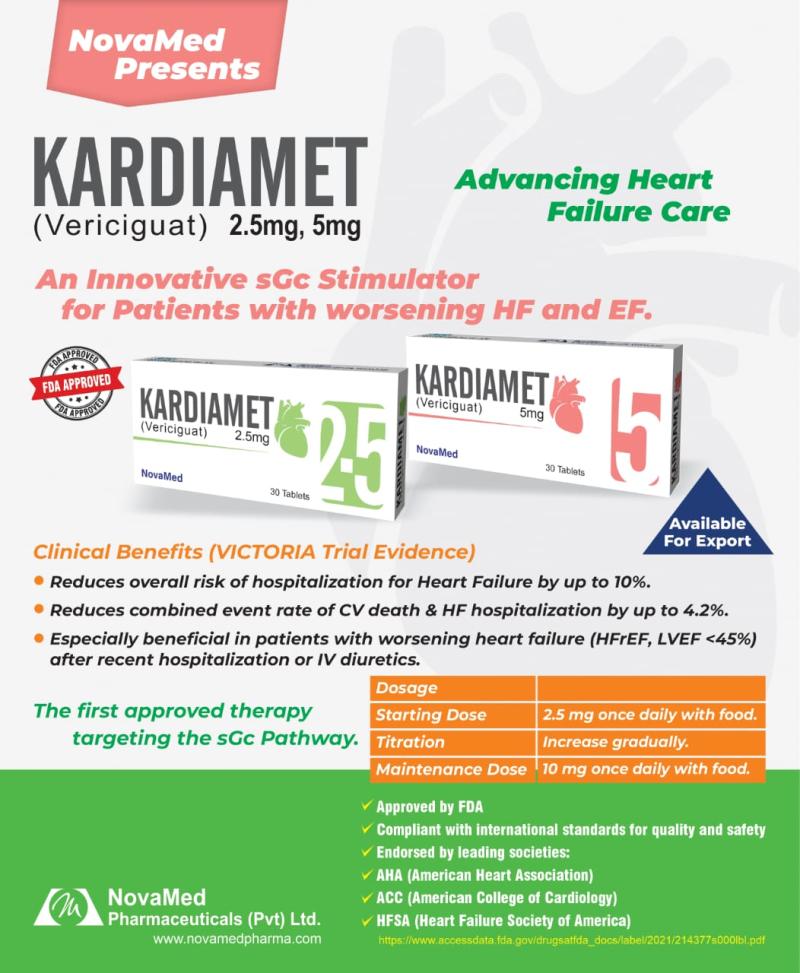
KARDIAMET TABLETS
KARDIAMET TABLETS 2.5mg & 5mg
Medical Device
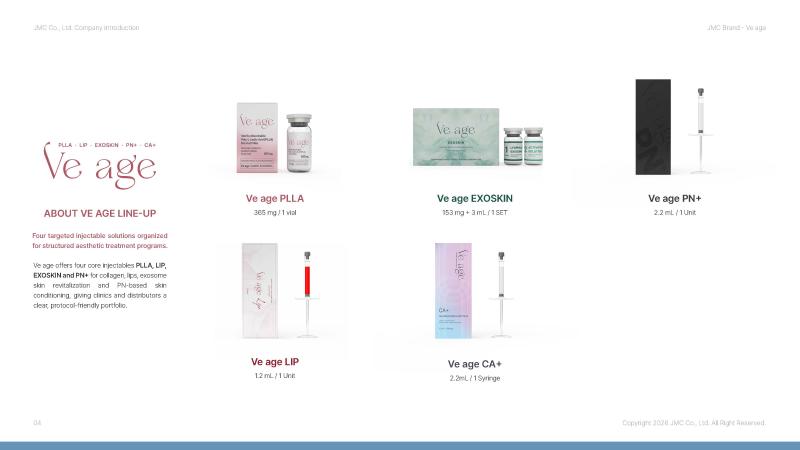
Ve age PLLA(Poly-L-Lactic Acid)

ORAL SPRAYER
PHARMACEUTICAL PACKAGING MATERIALS
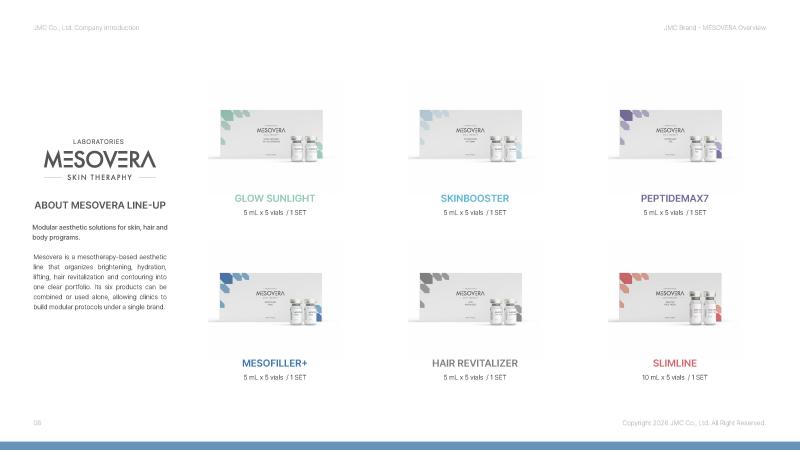
SKIN BOOSTER